Table of contents
Guidebooks still matter, but the most useful travel advice in 2026 often comes from something less polished: a conversation on a bus, a shared lunch in a market, a local who corrects your assumptions with a smile and a detail you did not know to ask for. As overtourism pressures popular districts and climate volatility reshapes seasons, “standard tips” can age fast, and travelers are rethinking what preparation should look like, who it should serve and how to make it safer, fairer and more accurate.
When tips go viral, places pay
Nothing spreads like a “hidden gem” post, and that speed has consequences. A single viral video can send thousands of visitors to a narrow street, a small viewpoint or a family-run café that was never designed for sudden volume, and the effect is rarely just longer lines. Municipalities from Barcelona to Amsterdam have publicly pushed back against crowding linked to social media, tightening short-term rental rules and experimenting with visitor management, while residents in many destinations report a daily friction that guidebooks do not capture: noise at night, rising rents, congestion around schools and pressure on public transport.
Data underlines why generic advice can misfire. International tourism rebounded strongly after the pandemic slump, and the UN tourism body reported roughly 1.3 billion international tourist arrivals in 2023, about 88% of the 2019 level; in 2024, arrivals continued to climb in many regions, even as inflation and geopolitics reshaped demand. When flows return that quickly, “go in August” or “arrive at noon” stops being innocent, and a tip that worked two summers ago can become part of the problem today.
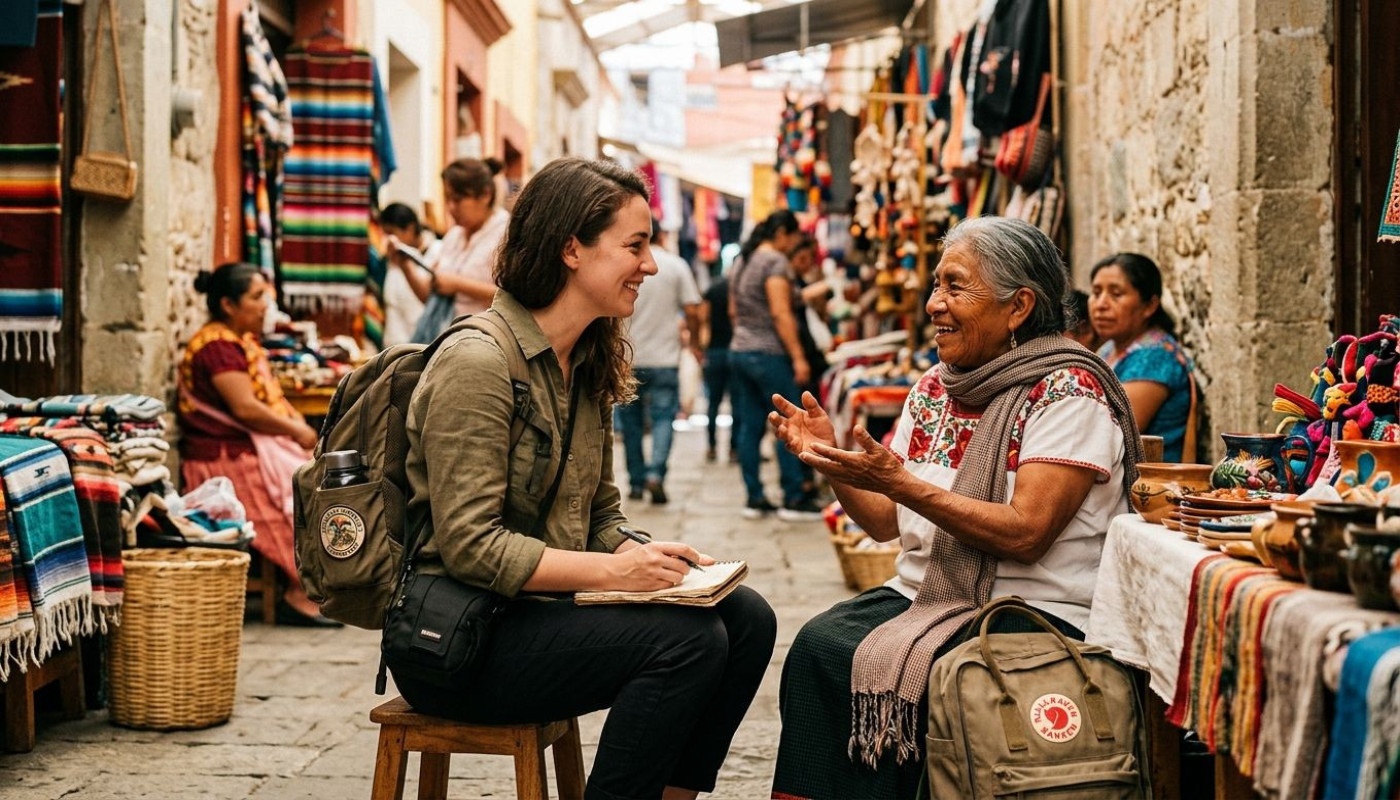
That is where local encounters change the quality of advice, because they introduce specificity: Which neighborhood is already saturated, which festival week changes traffic patterns, which beach access point is contentious, which trail is eroding and should be avoided after heavy rains. Locals also carry the informal rulebook, the things rarely spelled out in a listicle, like how long it takes to get a permit, why certain photo spots are sensitive, or how to greet vendors without turning a conversation into a transaction. Re-thinking travel advice means acknowledging that travel content can create demand, and that demand has costs that need to be anticipated, not romanticized.
Locals don’t recommend “must-sees”
Ask a resident what you should do, and you often get something more interesting than a checklist, and more pragmatic than a dream. Instead of “must-see,” you hear “go early,” “avoid that road after dark,” “take the shared van, it’s easier,” and occasionally, “don’t go there right now.” That shift in tone matters, because it reframes travel as participation in someone else’s everyday geography, not consumption of a backdrop.
Local advice is also shaped by real constraints that visitors overlook: school holidays that swell traffic, payday weekends that empty ATMs, weather swings that make a route risky, or community meetings that close a plaza. In the Andes, for example, altitude is not an aesthetic detail; it is a physiological stressor. Medical guidance is clear that acute mountain sickness can affect anyone, regardless of fitness, and the Centers for Disease Control and Prevention recommends gradual ascent, rest days and attention to symptoms. A local host’s casual “sleep a night lower first” is not folklore; it aligns with what clinicians advise, and it can prevent a trip from turning into an emergency.
Then there is money, and the way local perspectives can reveal what “value” actually means. A bargain tour that underpays drivers, skips safety checks or crowds fragile ecosystems is not a bargain for the destination, and locals often know which operators cut corners because they see the aftermath. The most useful recommendation might be to spend a bit more on a guide who carries the right permits, uses established trails and shares revenue with community partners, or to choose a smaller group even if the price per person rises. Practical advice becomes ethical advice, not as a slogan but as a set of choices with visible outcomes.
Safety now lives in the details
Safety guidance used to be treated as a sidebar, and in many places it still reads like a generic warning, but travelers increasingly want specifics: transport reliability, fraud patterns, emergency contacts, health risks and what changes after dark. Governments publish baseline information, yet on the ground the difference between safe and unsafe is often situational, and locals are the ones who can translate the situation in real time.
Take transport. Official maps may show a route, and apps may suggest a shortcut, but a resident can tell you which taxi ranks are reputable, when the last bus actually leaves, and which road is prone to closures after storms. Climate variability is making that kind of intelligence more valuable, because weather patterns are less predictable than they were a decade ago. The World Meteorological Organization has documented a rise in weather-related extremes, and travelers are feeling it as washed-out roads, heat alerts, and sudden changes to hiking conditions. In that context, “pack layers” is not enough; you need to know whether a trail is exposed, whether a river crossing is safe today, and whether a guide carries a radio in areas with no signal.
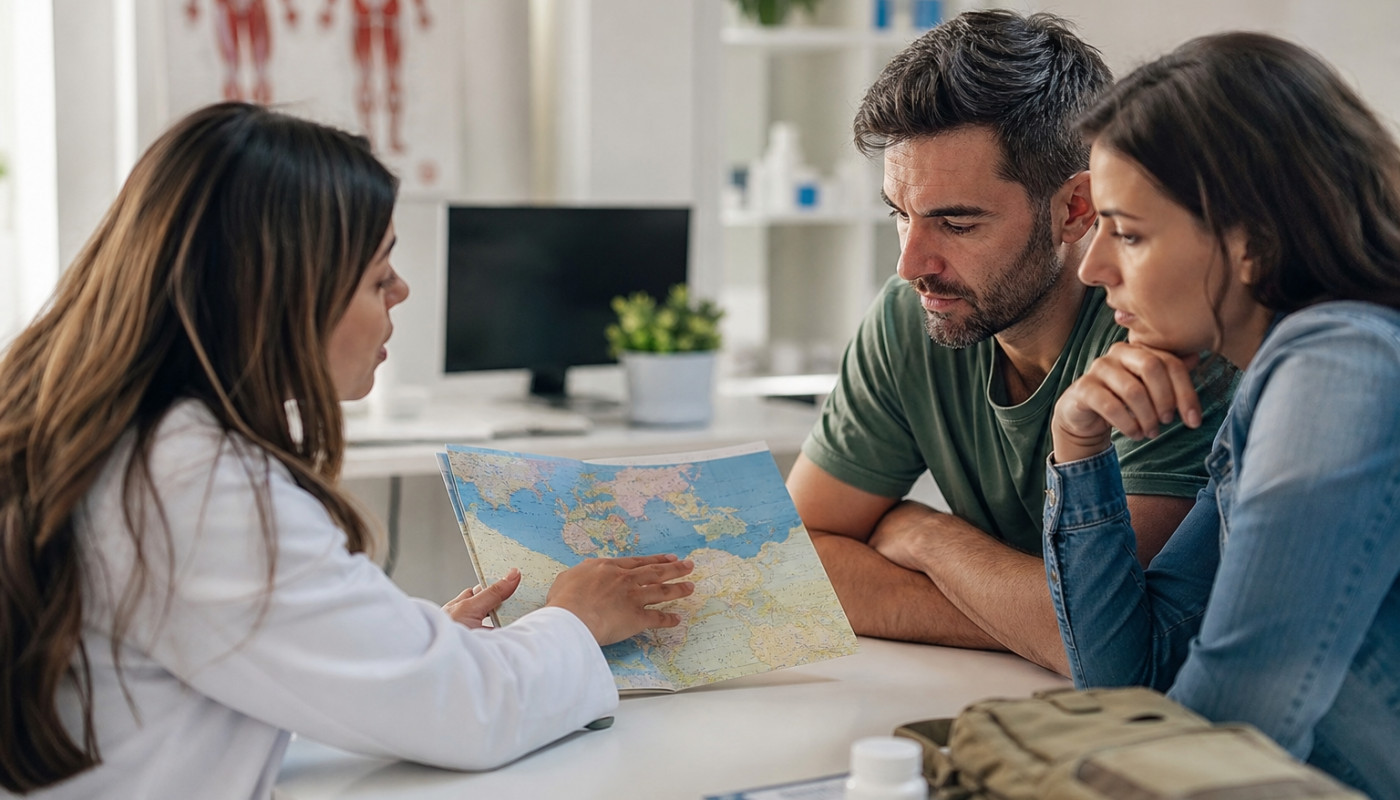
Health information is another place where details matter. Vaccination and malaria guidance depends on altitude and region, so a single country-level rule can be misleading; the CDC and other public health agencies routinely differentiate recommendations by geography. Water safety, too, is rarely binary, and “don’t drink tap water” does not tell you whether ice is a risk in a specific neighborhood, whether filtered water is widely available, or how to avoid plastic waste while staying well. Locals can point you to refill stations, pharmacies that are open late, and clinics that are trusted, and those micro-decisions often determine whether a trip stays smooth.
Even personal security is often about social cues. A resident might advise you to keep your phone away at a particular intersection, to avoid a certain ATM at night, or to take a different entrance to a station during rush hour, and it is not about fear-mongering. It is about learning how a city works, how people move through it, and how to blend in respectfully. The best travel advice today reads less like a warning label, and more like an orientation into local rhythms.
Building an itinerary with people, not posts
It is tempting to let algorithms assemble a trip, but a feed cannot ask you the right questions, and it rarely accounts for trade-offs. Are you traveling with children, with limited mobility, with a tight budget, with a desire to avoid long drives, with an interest in contemporary culture rather than monuments? Local encounters force those questions to surface, because a person is listening, and a person knows what is feasible when the road is rough or the weather turns.
That is also where responsible planning becomes easier. Community-led tourism, conservation areas and smaller producers often do not have the marketing budgets to dominate search results, yet they may offer the kind of experience many travelers say they want: fewer crowds, more context and clearer benefits for residents. Connecting with local expertise can help you choose travel days that reduce pressure, spread spending across neighborhoods, and avoid the peak-hour crush that makes everyone miserable. If you are building a Peru trip, for instance, you may find that discussing pacing, altitude and regional logistics with local professionals changes the whole structure of your route, and that is why some travelers start their planning through resources such as https://www.peru-spirit.com, then adapt details based on season, interests and on-the-ground realities.
Crucially, local encounters can reframe what “authentic” means. Authenticity is not a costume, and it is not a promise that a traveler can purchase; it is a relationship to context. It might look like spending more time in one place, learning a few phrases, respecting photography boundaries, and accepting that some spaces are not designed for visitors. When travel advice is built with people rather than posts, it becomes less extractive, and more accurate, because it is anchored in lived experience.
How to plan, book and budget wisely
Start by reserving key legs early, especially trains, limited-entry sites and small-group excursions, then keep room for local recommendations once you arrive. Build a realistic budget for guides, transport buffers and altitude rest days, and check public or local programs that support community tourism or conservation fees. Use verified contacts, confirm cancellation terms, and carry a little cash for places where cards fail.
Similar articles
The Science Behind Why Travel Advice Matters More Than You Think
Is Spontaneity The Real Secret To Unforgettable Trips?
Why Spontaneous Detours Are The Backbone Of Unforgettable Travel Advice
Rookie Mistakes Travelers Still Make (and How The Pros Avoid Them)
How Unexpected Conversations Inspired My Next Itinerary

Embracing the Local Culture: A Traveler's Experience at a Nicaraguan Surf Lodge

What to discover in Switzerland?
Responsible tourism in the service of sustainable development: what to know about?

The best cruises from the Philippines
